Solar for homes in Antrim
Panels on the roof turn daylight into electricity the house uses first. What is left over can be exported to the grid.
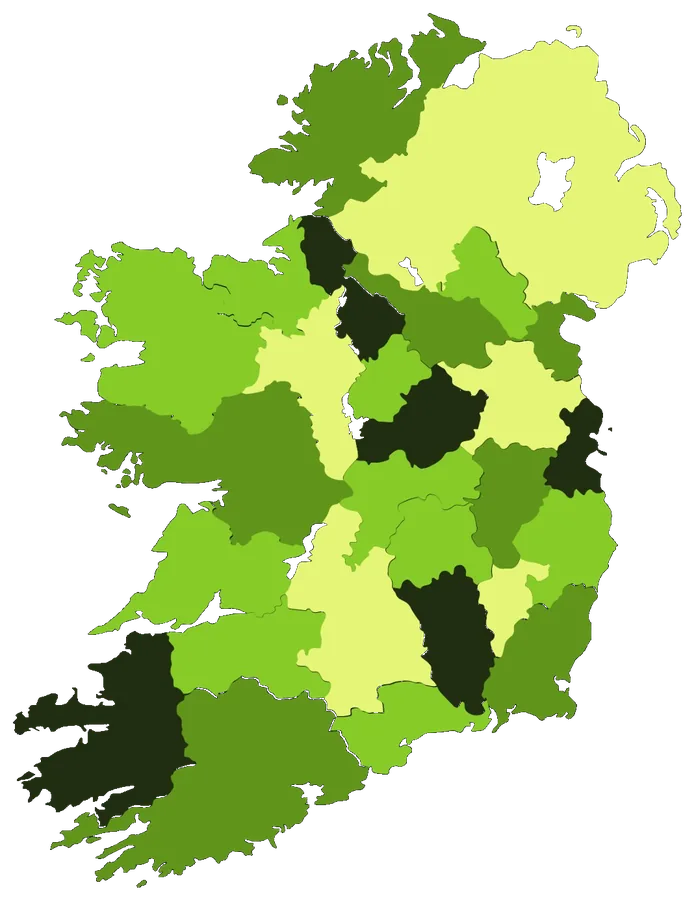
At Antrim, a south facing system at a 35 degree tilt produces about 891 kWh a year for every kWp of panels (PVGIS, European Commission JRC). That ranks Antrim 23rd of 32 counties, below the median county.
What it means for you
A home solar PV system makes electricity during daylight hours. The house uses that power first, which cuts what you buy from your supplier. Daylight is enough; panels still produce on overcast days, at a lower rate.
In Antrim, start from your own bill and meter readings. How much of your use falls in daylight hours decides how much of the solar output you can use yourself.
A site survey by a qualified installer confirms roof space, orientation, shading and the condition of the consumer unit before any price is final.
- NIE Networks is notified of, or approves, the connection before the system runs
- Some electricity suppliers pay for exported units; each supplier sets its own rate
- Many rooftop systems on homes are permitted development, subject to conditions
Sources: PVGIS, European Commission JRC, PVcalc v5.2, fetched 2026-11-13 · nidirect · NIE Networks
Thinking about solar in Antrim?
Get a free estimate from a registered installer near you. Start with your electricity bill; it shows how much of your use falls in daylight.
Other guides
Home batteries
A battery stores daytime solar for the evening, so more of what the panels make is used in the house.
Read the guideHeat pumps
A heat pump moves heat from the outside air or ground into the house and runs on electricity, which pairs well with solar.
Read the guideSolar for farms
Farms use a lot of power in daylight. Milking, cooling, ventilation and drying line up well with solar output.
Read the guideSolar for businesses
Shops, offices, workshops and factories that trade in daylight can use most of what a roof system makes.
Read the guide